Electromobility in freight transport is no longer a vision of the future — it's becoming reality. Manufacturers like Volvo, DAF, Mercedes-Benz, MAN, and Scania already offer series-produced electric trucks. This raises a critical question: where and how to charge these vehicles? In this article, we explain the solutions we offer for charging trucks, buses, and large fleets.
Why Charging Stations for Trucks?
The transition to electric commercial vehicles is driven by stricter EU emission regulations, rising diesel prices, and corporate carbon neutrality commitments. By 2030, over 400,000 electric trucks are expected to operate in the EU, requiring corresponding charging infrastructure.
Key Differences from Passenger Vehicle Charging
| Parameter | Passenger EV | Electric Truck | |-----------|-------------|----------------| | Battery Capacity | 60–100 kWh | 300–600+ kWh | | Required Power | 50–350 kW | 400–1,200+ kW | | Charging Time | 20–40 min | 30–45 min (with MCS) | | Connector | CCS2 | CCS2 + MCS | | Installation Space | Parking lots | Depots, logistics centers | | Energy Management | Simple | Complex (peak shaving, PV, BESS) |
Our Solutions for Heavy-Duty Charging
1. Megawatt Charging with Autel DT1500
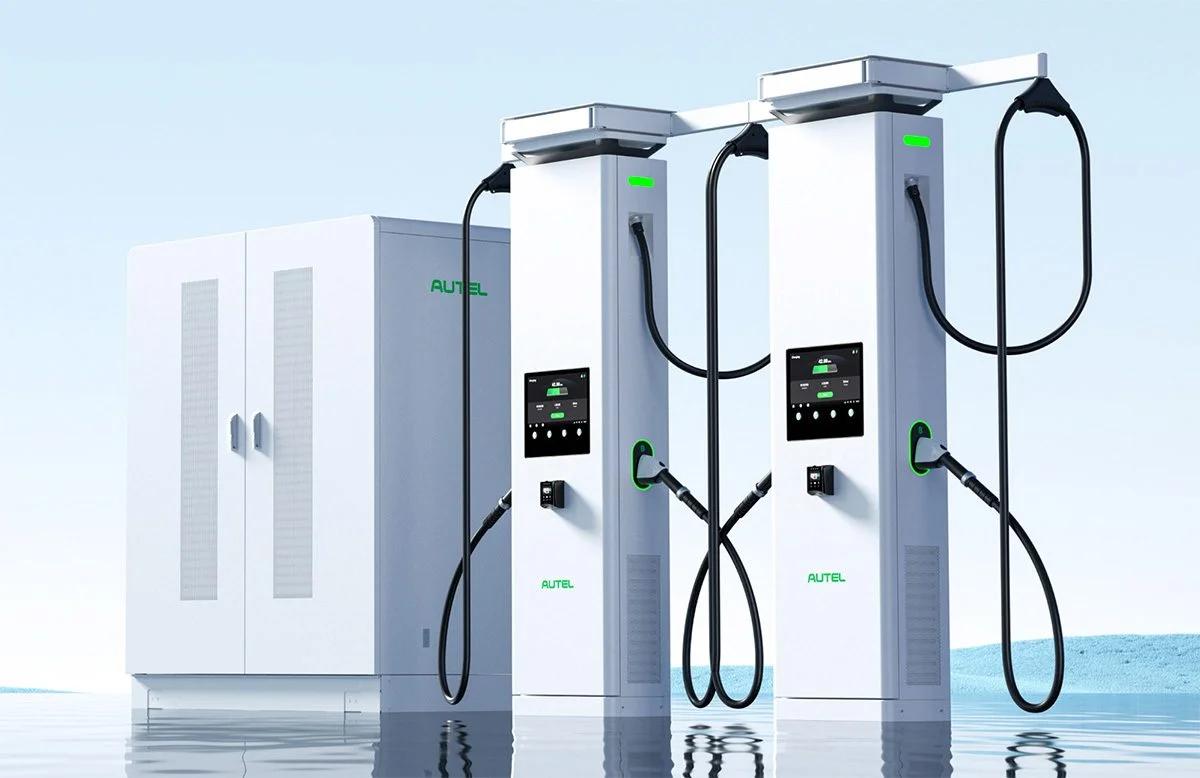
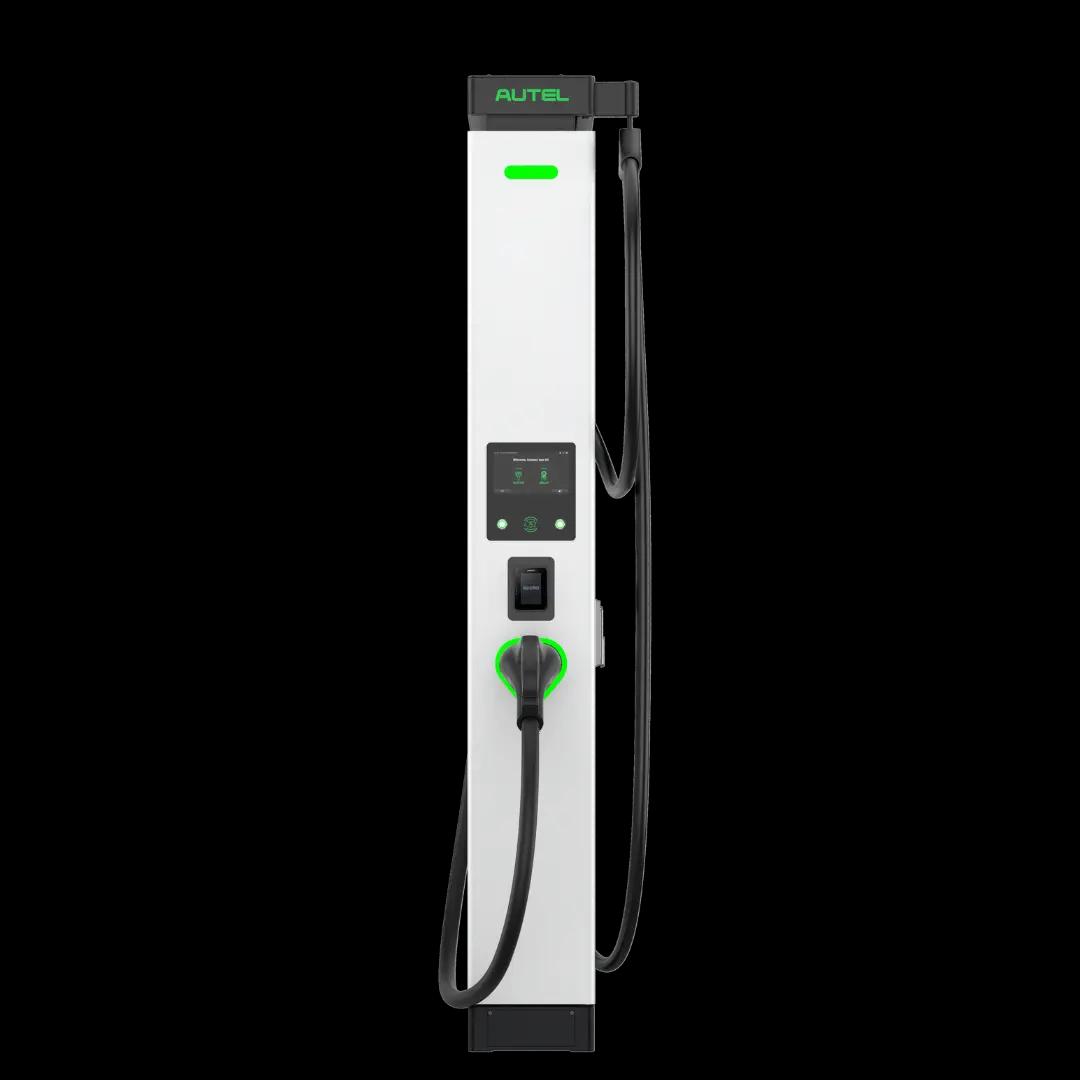
The Autel MaxiCharger DC DT1500 is our flagship dispenser for heavy-duty transport. It combines two connector types:
- MCS (Megawatt Charging System): Up to 1.2 MW (1,200 kW) with current up to 1,500 A
- CCS2: Up to 480 kW with current up to 500/650 A
With liquid-cooled cables and a voltage range of 150–1,000 V, it can charge an electric truck with a 500 kWh battery in approximately 30–45 minutes — during the driver's mandatory rest break.
2. High-Power DC Stations for Corporate Fleets
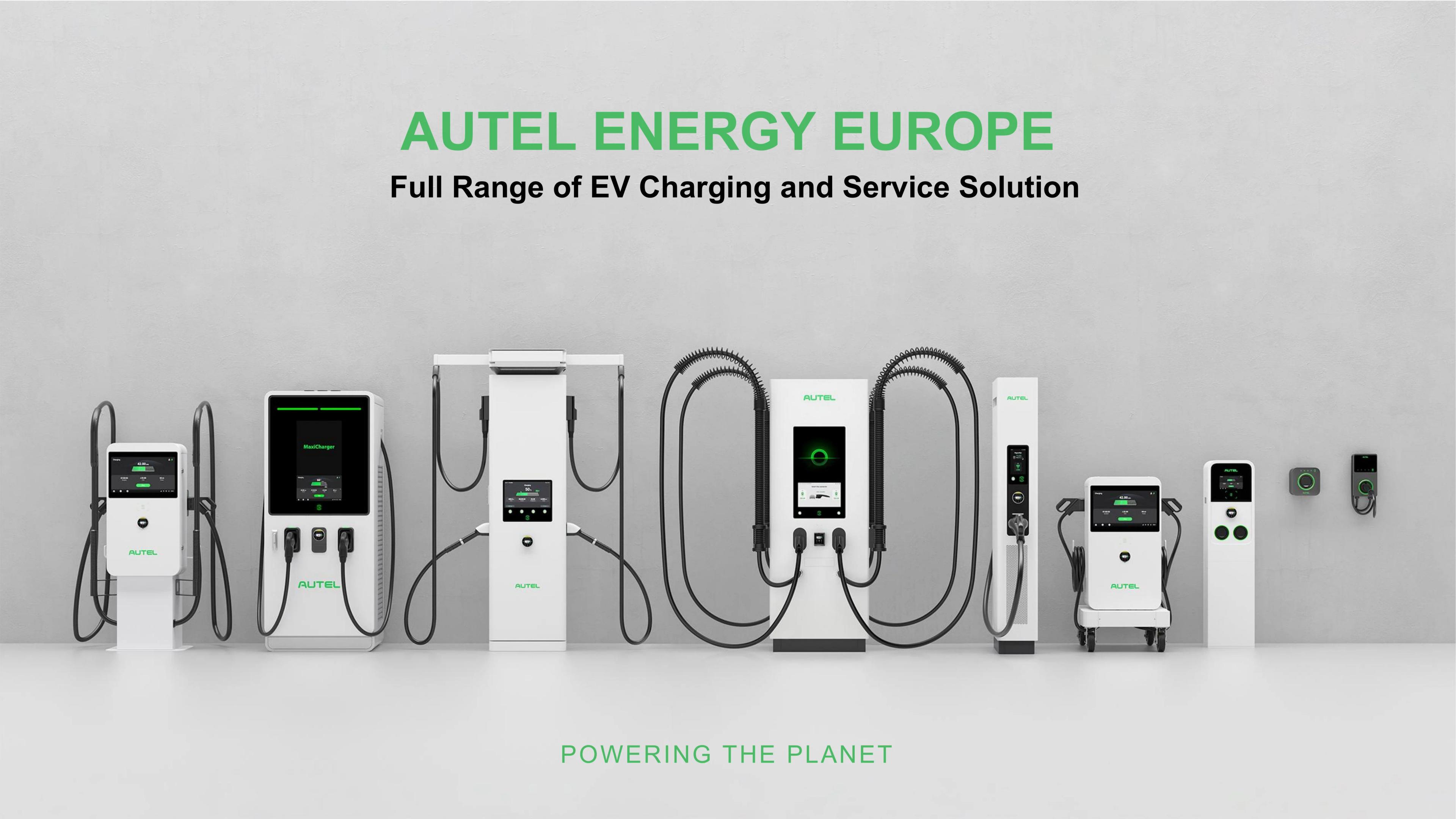
For mixed fleets (trucks + vans + passenger cars), we offer modular solutions:
| Product | Power | Suitable For | |---------|-------|-------------| | Autel DH480 | up to 480 kW | Trucks, buses, passenger cars | | Autel DH240 | up to 240 kW | Vans, passenger cars, light commercial | | Autel DC Compact | up to 240 kW | Passenger cars, smaller fleets |
All stations are OCPP compatible and integrate with our ZAspot platform for centralized management.
3. Dispensers for Charging Hubs
For large charging hubs along highways and in logistics centers, we offer separate power supply units and dispensers:
- DT800 — 2× CCS2, up to 480 kW per output
- DT500 — 1× or 2× CCS2, up to 400 kW
- DT1500 — MCS + CCS2 for combined charging
This modular approach allows sharing one power supply unit between multiple dispensers, optimizing investment costs.
MCS — The Standard for Truck Charging
Megawatt Charging System (MCS) is a new global standard for high-power charging of heavy-duty vehicles, defined by IEC 61851-23-3 / ISO 15118-20.
Key MCS Parameters
| Parameter | Value | |-----------|-------| | Maximum Power | 3.75 MW (theoretical), 1.2 MW (current hardware) | | Maximum Current | 3,000 A (standard), 1,500 A (Autel DT1500) | | Voltage | 150–1,250 V | | Connector | MCS (CharIN) — more robust than CCS2 | | Cooling | Liquid (mandatory above 350 kW) | | Communication | ISO 15118-20 with Plug&Charge |
The MCS connector is specifically designed for manual operation by truck drivers — it is ergonomic, durable, and automatically locked. Unlike CCS2, it handles much higher currents thanks to liquid-cooled contacts.
Intelligent Energy Management for Charging Depots
Charging a single truck consumes as much energy as 10–20 households per day. That's why energy management is critical:
ZAspot CSMS + Autel MaxiPower EMS
Our platform combines:
- Dynamic spot pricing — charging at the lowest electricity prices (OTE spot market)
- Peak shaving — limiting peak grid consumption
- Integration with photovoltaics (PV) and battery energy storage (BESS)
- Automatic load balancing — distributing available power across multiple stations
- OCPP monitoring — remote diagnostics and control of all stations in real time
Example: Logistics Depot with 10 Trucks
| Scenario | Without EMS | With ZAspot + EMS | |----------|-------------|-------------------| | Peak Consumption | 4,800 kW | 2,400 kW (peak shaving) | | Price per kWh | Fixed tariff | Spot price (15–30% savings) | | Photovoltaics | Unused | Priority use of own generation | | Operating Costs | High | Reduced by 25–35% |
eRoaming for Commercial Vehicles
Thanks to our Hubject eRoaming integration (OICP 2.3), your stations can also serve vehicles from other networks — Shell Recharge, EnBW, Ionity, and hundreds more. This means:
- Higher station utilization — third-party trucks also charge at your location
- Automatic billing — invoicing via Hubject CDR
- European visibility — your stations appear in navigation and apps across Europe
Who Is Our Solution For?
| Segment | Examples | Recommended Solution | |---------|----------|---------------------| | Logistics Centers | Warehouses, transshipment points | DT1500 (MCS) + DH480 | | Bus Depots | City transit, intercity lines | DH480 + EMS | | Highway Hubs | Rest stops, truck stops | DT1500 + DT800 + eRoaming | | Corporate Fleets | Couriers, delivery vans | DH240 + DC Compact | | Construction Companies | Electric excavators, loaders | DT500 + DH480 |
Why ZAspot?
- Complete solution — from hardware through software to eRoaming
- Spot pricing — charge at the lowest price with dynamic tariffs
- OCPP 1.6 + 2.0.1 — compatibility with both protocol versions
- Own CSMS — no third-party dependencies
- MCS ready — prepared for megawatt truck charging
- B2B model — transparent fees from 100 CZK/station/month
Planning to build charging infrastructure for trucks or a fleet? Contact us for a free consultation and custom solution design.
info@zaspot.cz | +420 770 103 103 | zaspot.cz